
Advancing access to psychedelic therapies through objective economic evidence.
ABOUT CEP

CEP is a network of health economists dedicated to achieving the potential of psychedelic therapies for high-priority mental health conditions. Through the application of policy-relevant economic analyses, CEP seeks to enhance clinical outcomes, increase efficiency of service delivery, and increase access to these promising therapies for everyone who can benefit.
Institutional Home
CEP is housed within the UC Berkeley / UCSF Center for Global Health Delivery, Diplomacy and Economics. We operate as a network of health economists convened per project, assembling the right expertise for each research question.


Our Approach
Objectivity, not advocacy
We follow the numbers wherever they go. We advocate for policy only where our research supports it.
Academic rigor
Best-available economic and modeling techniques, published in peer-reviewed journals.
Built for decisions
Framed around what payers, providers, regulators, and legislators need to know.
Our Philosophy
Collaboration is in our name, and we mean it. We want more health economists working in this field, not fewer. We share our methods openly and design studies that others can build on.
Equity is not a separate line of work for us. It decides which questions are worth asking. The people most likely to benefit from psychedelic therapies are often the least able to pay for them, and coverage is where that gets settled. We study who reaches these therapies and who is left out — by insurance status, by income, by geography, and by country — and those questions are built into study design from the start rather than added at the end.
Access for all. The populations Medicaid serves have the highest need for these therapies, yet the least access. Insurers hesitate without evidence they can trust, so we provide that evidence, replacing uncertainty with the confidence to move forward on coverage.
Our outlook is global. The questions of access and equity do not stop at national borders. As the field grows, we are turning increasingly toward low- and middle-income countries, where the need is greatest and the evidence is thinnest.
Director & Collaborators
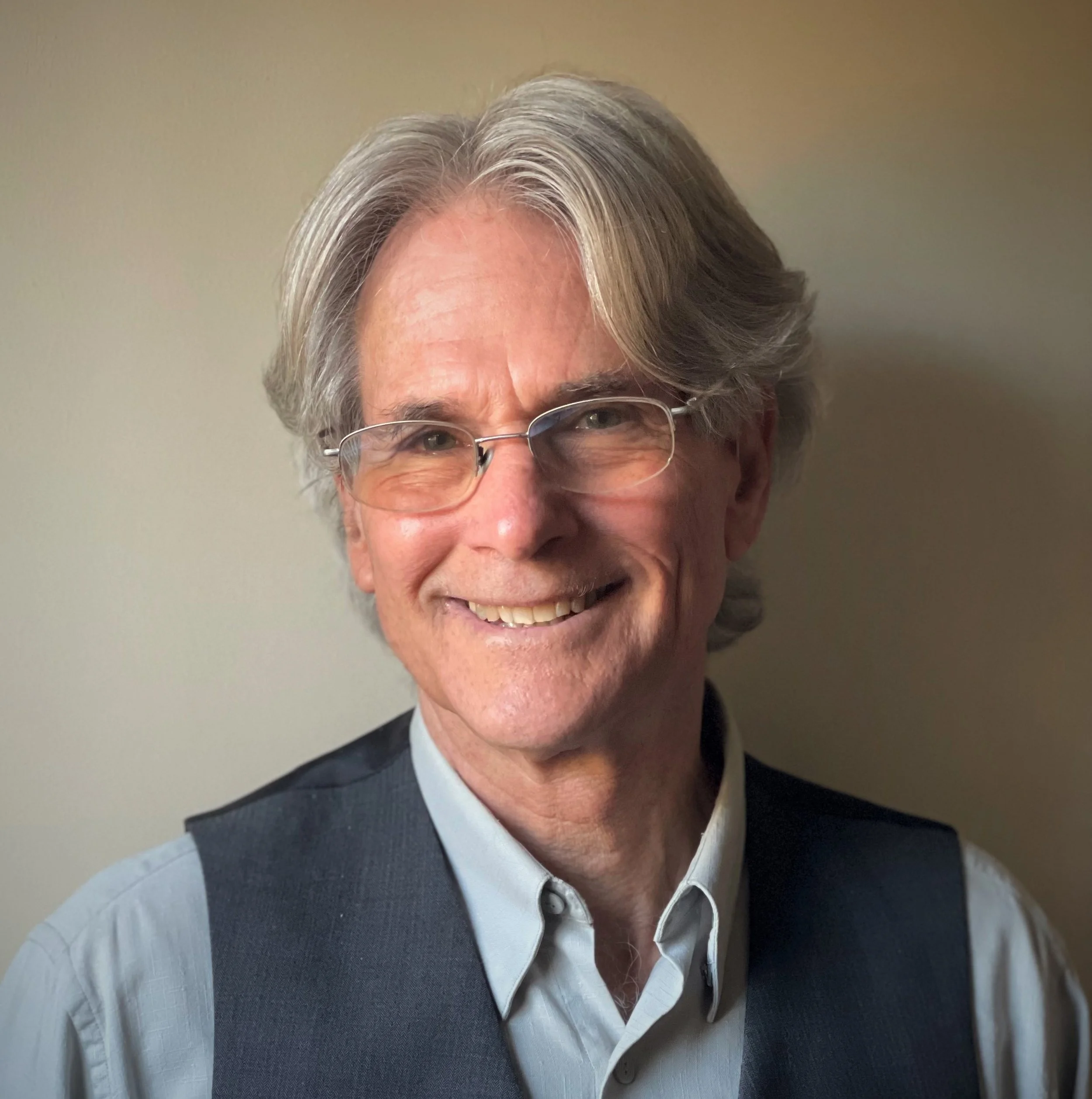
Elliot Marseille, DrPH, MPP
DIRECTOR
Elliot Marseille, DrPH, MPP, is a health economist whose work sits at the intersection of psychedelic science, public health, and policy.
He directs the Collaborative for the Economics of Psychedelics at UC Berkeley, where he and collaborators develop rigorous, decision-relevant analyses of psychedelic-assisted therapies—spanning cost-effectiveness, access, pricing, and implementation. Recent projects and publications examine the cost-effectiveness and epidemic impact of MDMA-assisted therapy for PTSD, psilocybin for depression, pricing of MDMA, feasibility of introducing psychedelic therapies to low and middle income countries, and the system-level efficiencies possible with group-based delivery models.
Partners have included federal agencies, leading academic centers, and nonprofits. Marseille's career is grounded in three decades of HIV/AIDS and global health economics, leading studies for CDC, the World Bank, the Gates Foundation, and ministries of health across Africa and Asia. He has published over 80 peer-reviewed articles in 40+ years of public health research.
-
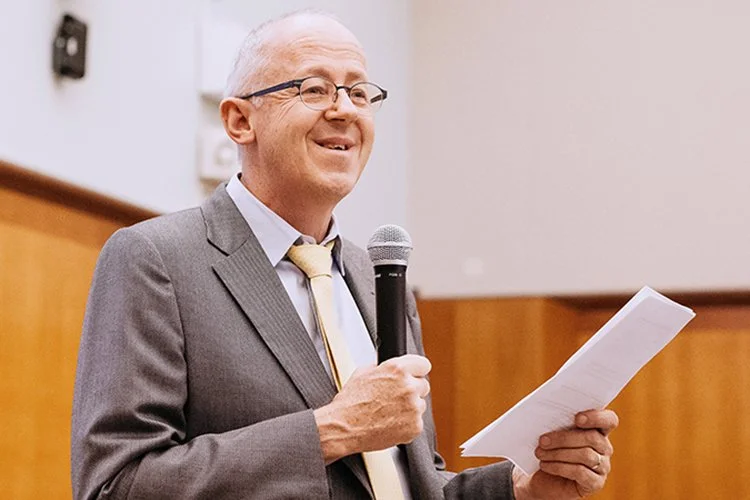
Stefano Bertozzi
Professor of Health Policy and Management
UC Berkeley School of Public Health
-

Jim Kahn
Emeritus Professor of Health Policy, Epidemiology, and Global Health
UCSF School of Medicine
-
Will Lucas
Clinical Research Coordinator
Weill Institute for Neurosciences
-

Nevan Hanford
CEP Administrative Assistant
UC Berkeley
-

Milica Radovic-Mandic
Strategic Advisor, Brand & Communications
Signal Studio, Bizdelics
-

Andrea Venezia
Executive Director
Center for the Science of Psychedelics, University of California, Berkeley
-

Rick Doblin
Founder
MAPS
-
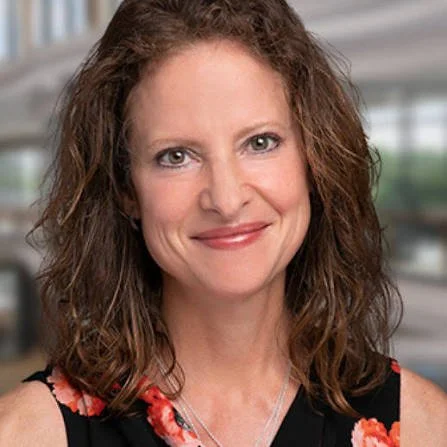
Tura Patterson
Senior Director, Strategic Partnerships
Usona Institute
-

Eduardo Schenberg
Founder
Instituto Phaneros